


RaicillaSan Sebastián del Oeste, Jalisco
La Xamana
Tacho and Lupita Guzmán's vinata
The agave category most people have never had in their glass, distilled by Maestro Raicillero Anastacio “Tacho” Guzmán in the mountains above Puerto Vallarta.
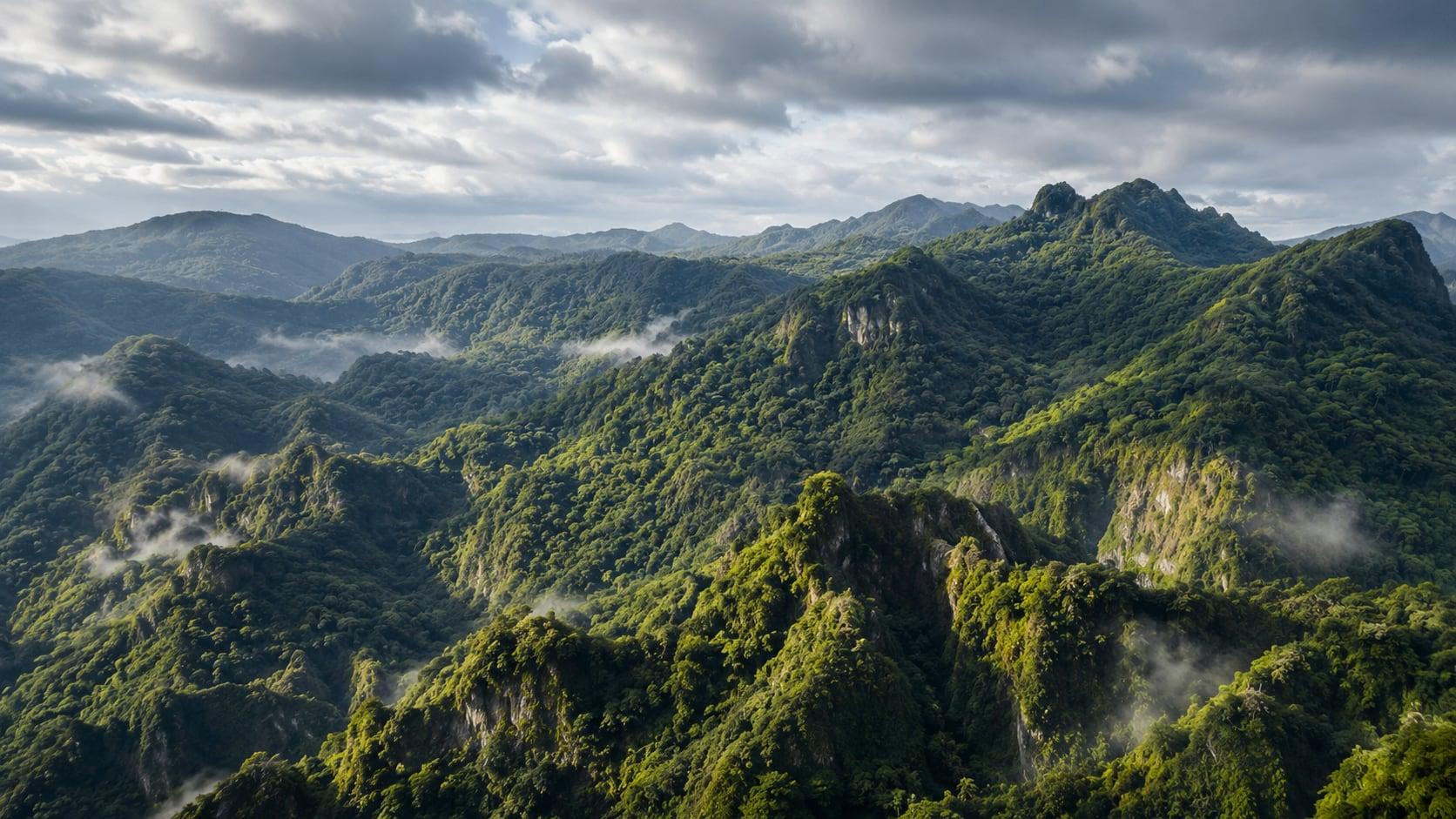
Raicilla is the wild relative of tequila and mezcal, distilled in the mountains of the Sierra Madre on the Pacific coast. Tacho and Lupita distil in the Ejido La Estancia de Landeros, by hand and in small batches.
The story
La Xamana began with mezcal enthusiasts. After their first sip of raicilla, they decided to make their own. To do so, they spent weeks in the Sierra with some of the oldest maestros raicilleros, learning the traditional way of distilling.
Today Maestro Raicillero Anastacio “Tacho” Guzmán distils with his wife Lupita in the Ejido La Estancia de Landeros, in the municipality of San Sebastián del Oeste, in the mountains above Puerto Vallarta. Bottling takes place at the Casa de La Xamana in San Sebastián del Oeste.
Raicilla means “little root”, and the name is a cover. In the late 18th century the Spanish Crown banned and taxed mezcal because it was hurting sales of its own brandy. So the distillers of the Sierra told the tax collectors their spirit was made from the agave's roots, not its heart – and therefore wasn't mezcal. Raicilla has only had its own protected designation of origin since 2019.
“Disfrútala a besitos.”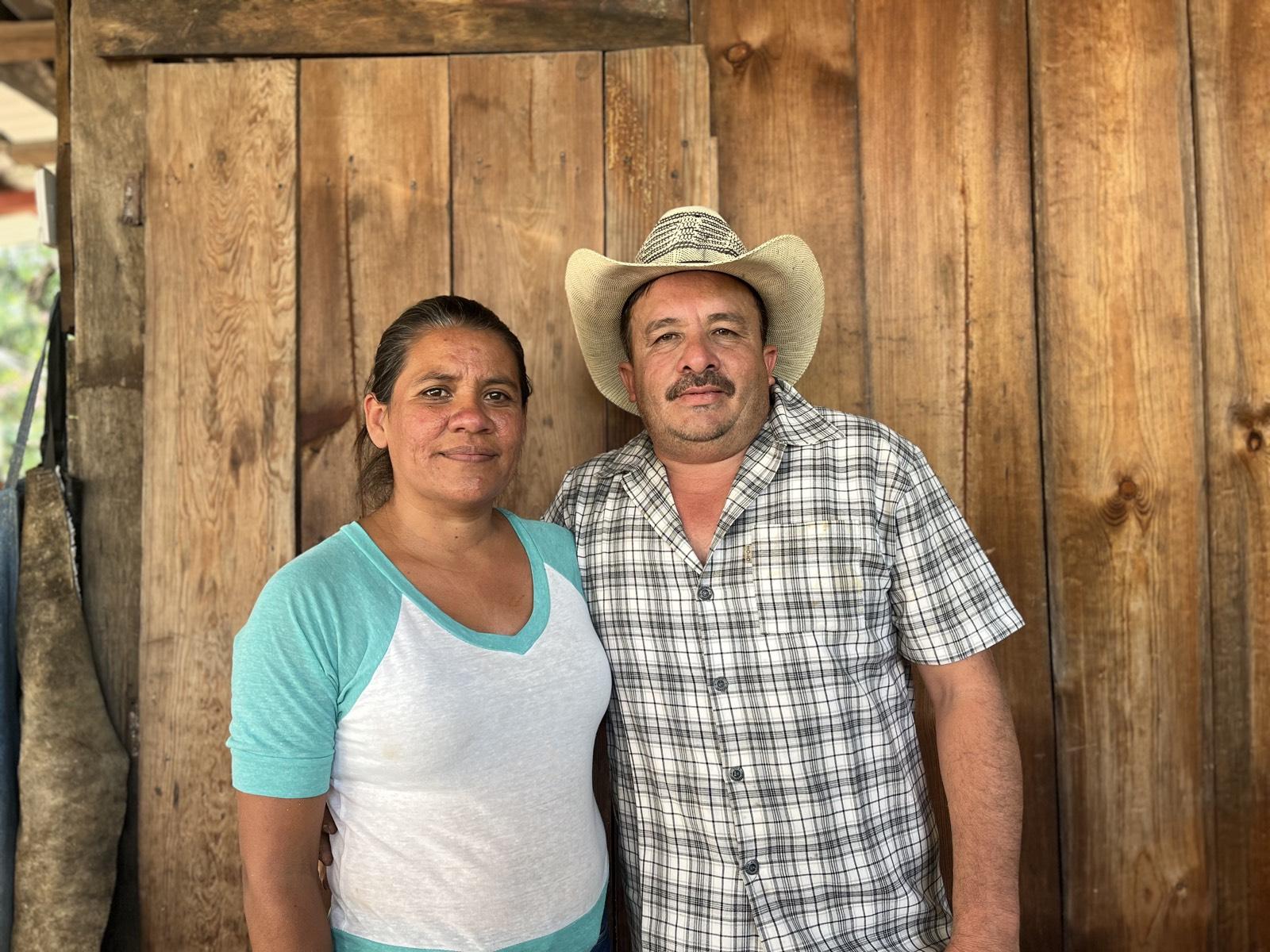
Worth knowing
- “Raicilla” means “little root” – a cover name. In the late 18th century the Spanish Crown banned and taxed mezcal to protect its brandy. The distillers claimed their spirit was made from the agave's root, not its heart, and so wasn't mezcal.
- Hardly any retailer in Germany stocks raicilla.
- Those who find mezcal too smoky often prefer raicilla.
- The firewood comes from fallen trees.
The craft
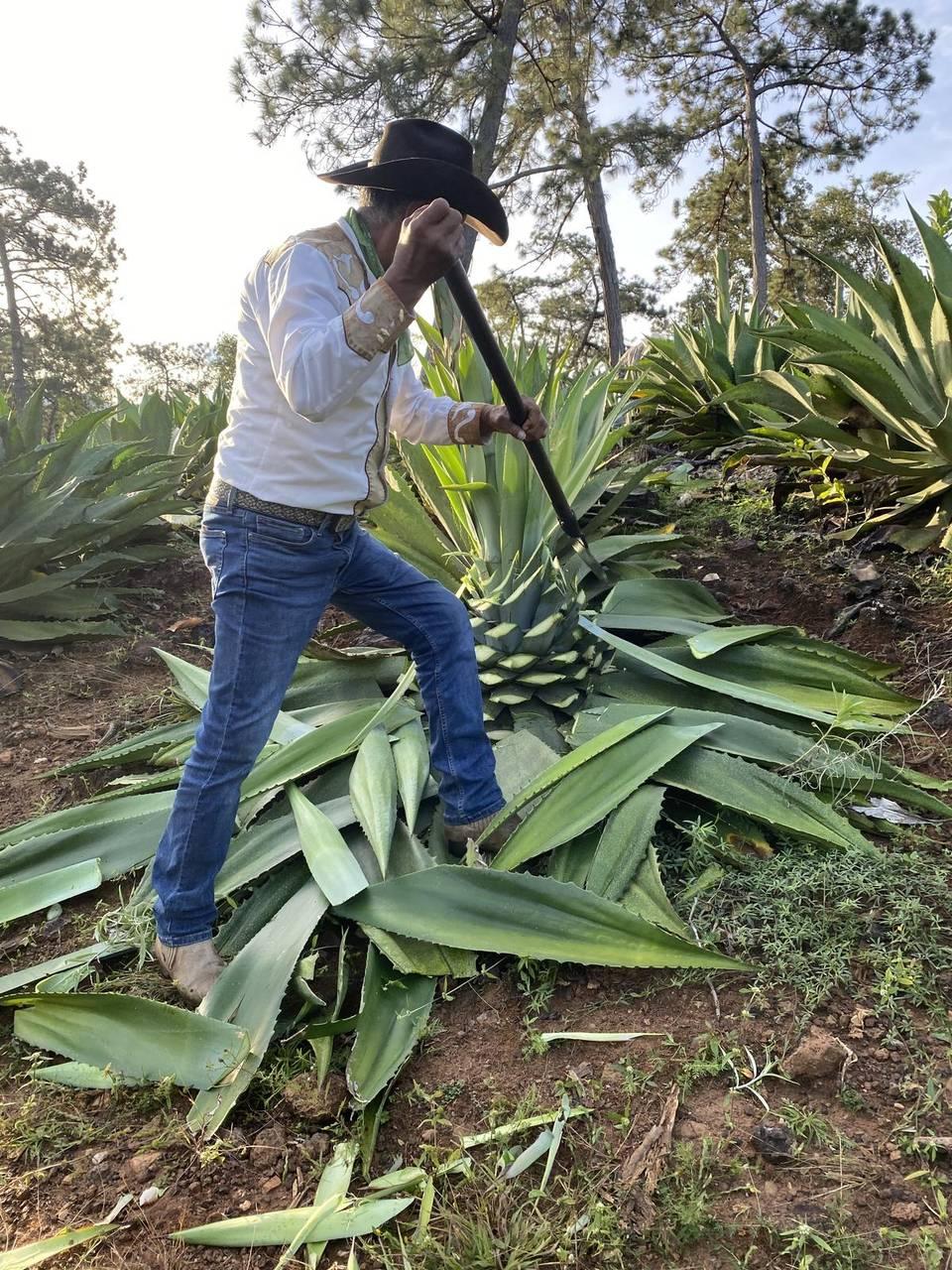
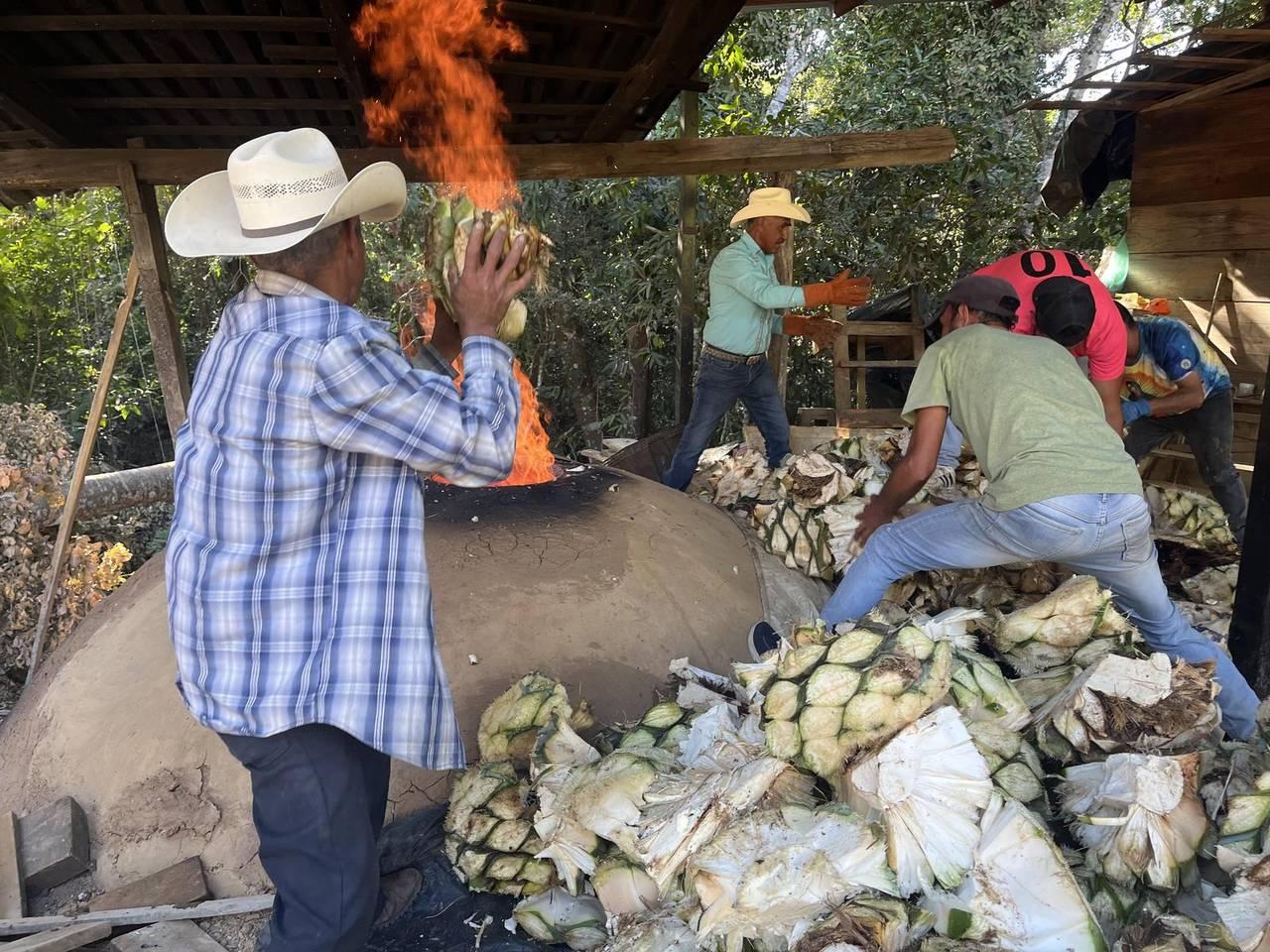
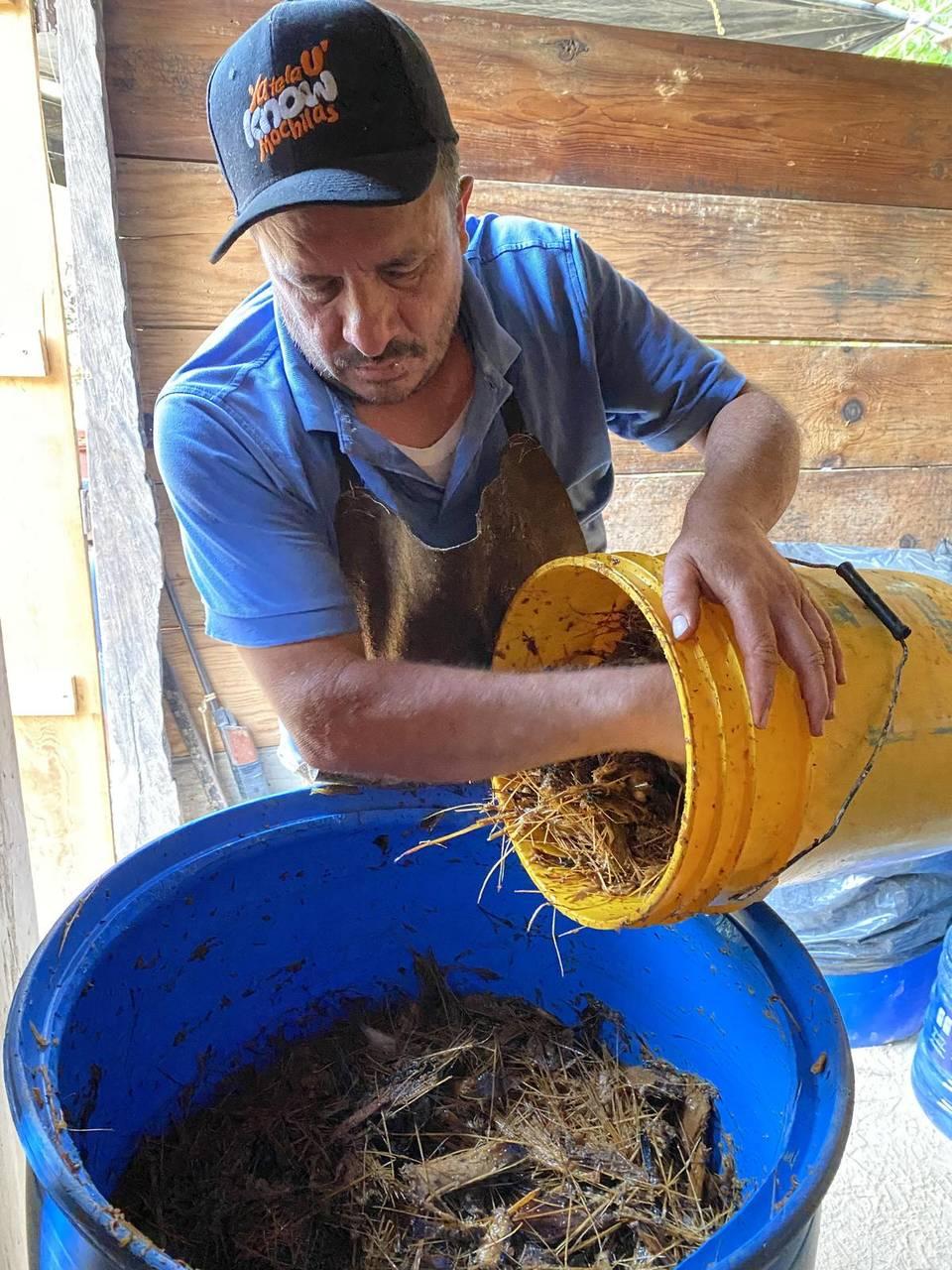
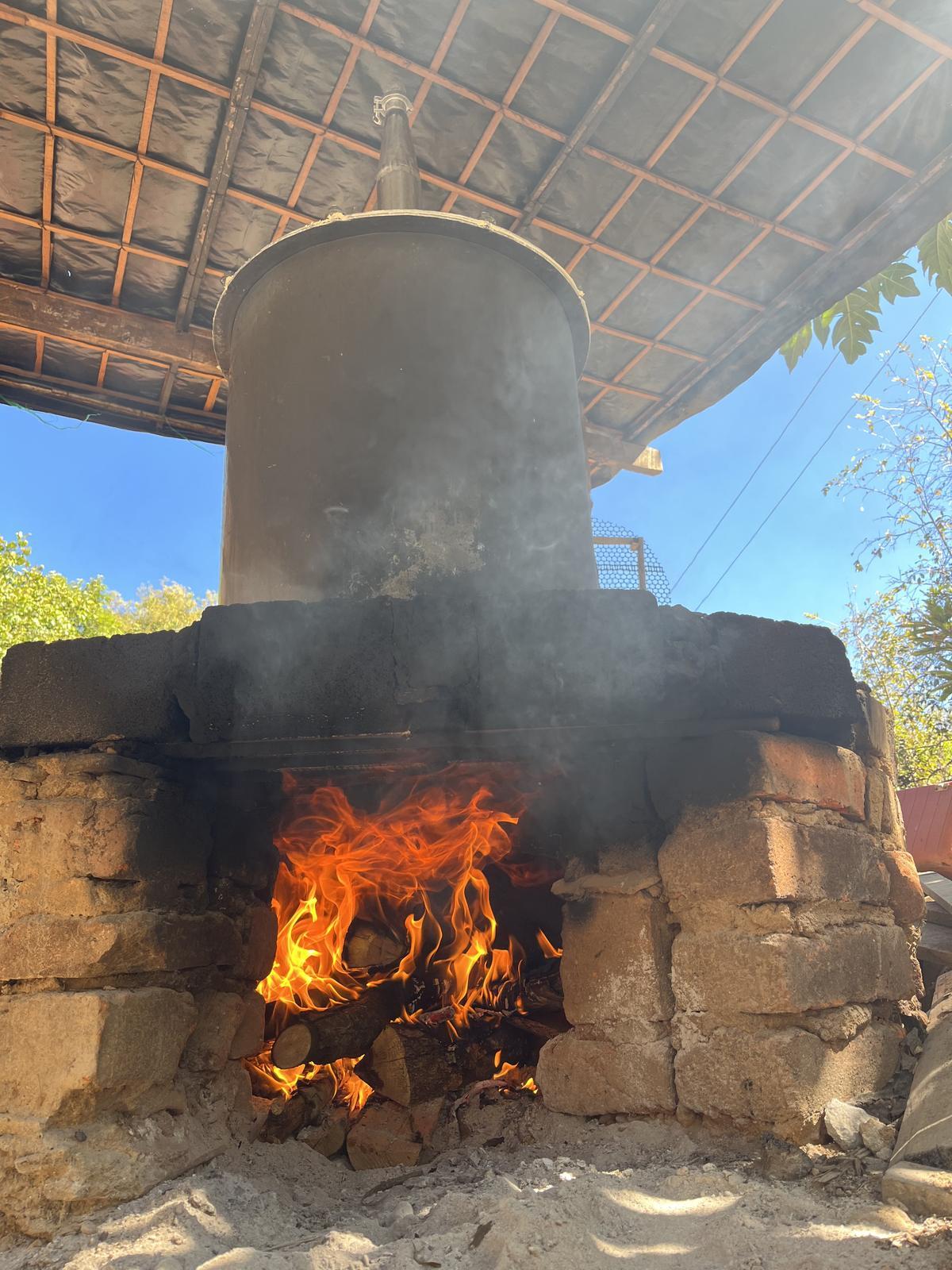
The harvest is around 70 % capón agaves, whose flower stalk was cut early so the starch stays in the piña, and 30 % fully mature sazón agaves. They are cooked in a 1.3-tonne masonry oven, fired with oak from fallen trees. Fermentation is spontaneous with stream and spring water, and distillation takes place over a wood fire in a still with a copper coil. The result tastes of blossom and stone, with hardly any smoke.
From field to bottle
- GrowingAgave maximiliana grows without chemicals for around seven years in the mountains of San Sebastián del Oeste.
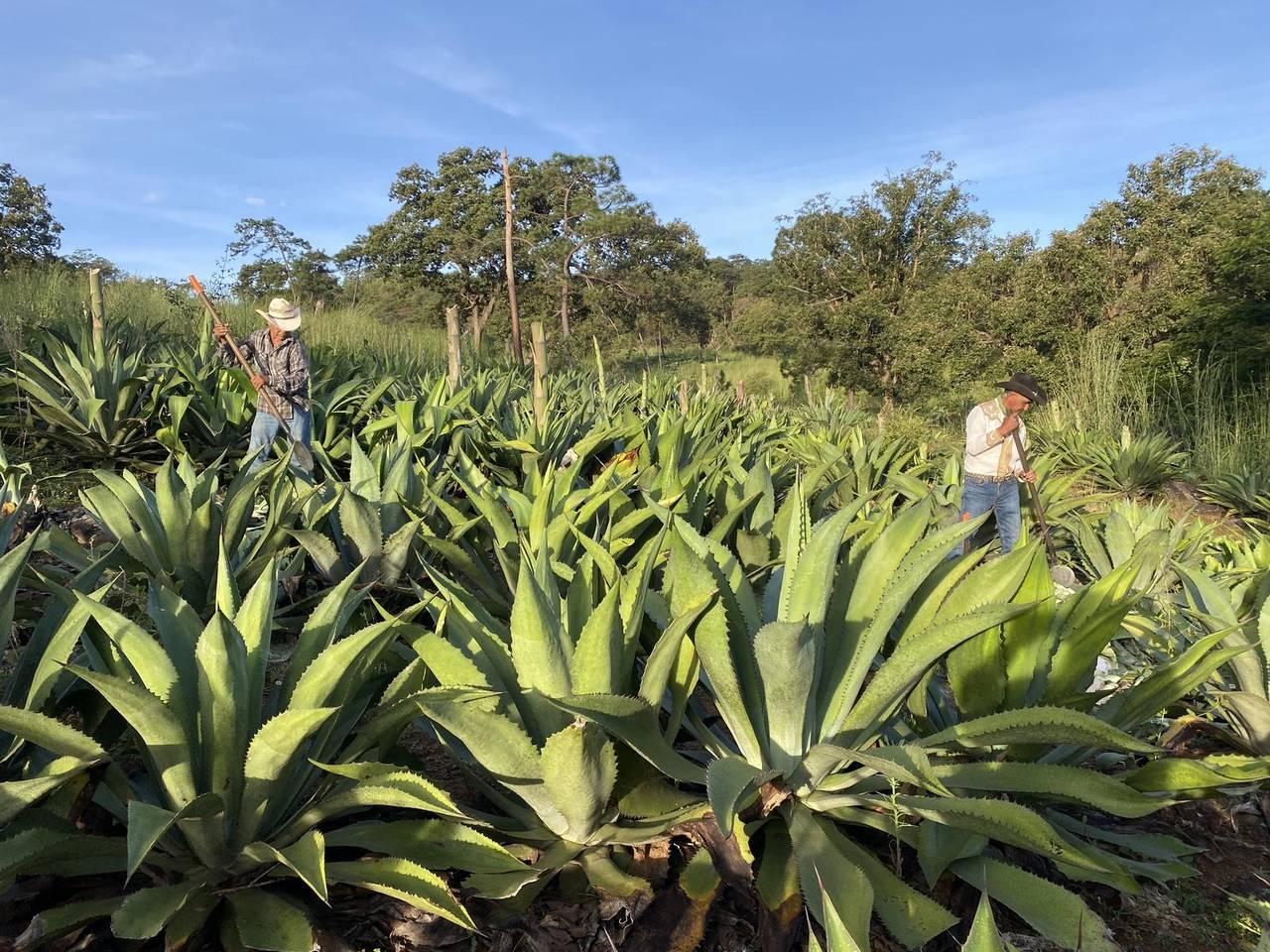
- HarvestAround 70 % capón agaves with an early-cut flower stalk, 30 % fully mature sazón agaves.
- CookingIn a 1.3-tonne masonry oven, fired with oak from fallen trees.
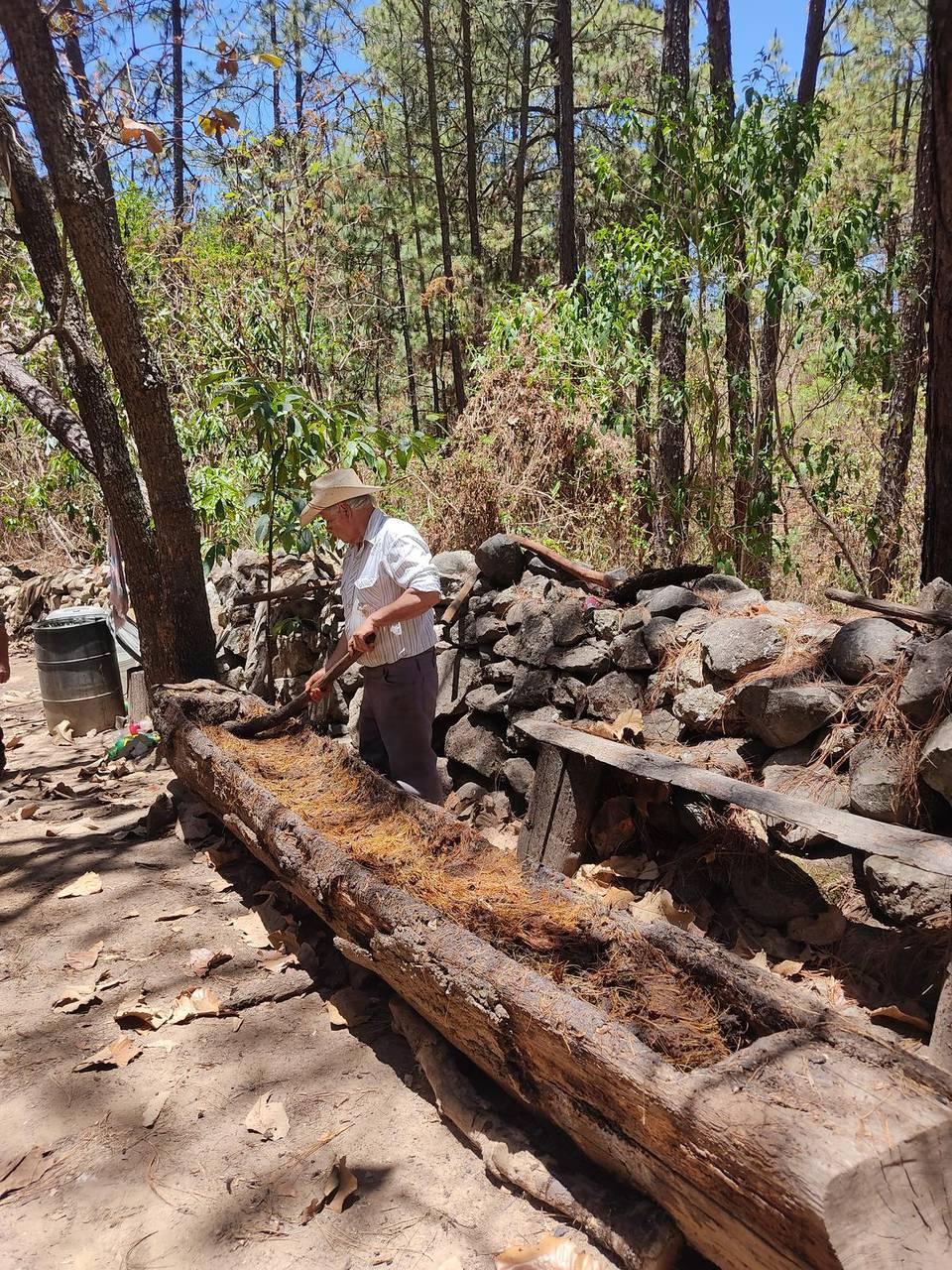
- MillingIn a wooden trough or with a mill, into fibres and juice.
- FermentationSpontaneous, with water from local streams and springs.
- DistillationSlowly over a wood fire in a still with a copper coil, one 200-litre barrel a day.
Bottles from La Xamana
All Raicilla bottles


